Subscribe in NewsGator Online   Subscribe in Bloglines

Cleaner air could increase global warming

May 9, 2005 4:55 PM, Wayne Wenzel

Carbon sequestration in crops may offer solution

For years, climatologists have observed that smog, soot and smoke are contributing to a phenomenon dubbed global dimming. Climate statistics show that a significant amount of sunlight is literally being blocked from reaching the Earth's surface by emissions from smokestacks, diesel engines and forest fires.

Recent climate data, however, now show that the air is clearer than a decade ago and that more sunlight is reaching the Earth. Apparently pollution control measures are working. Great news! Or is it? Though there's less particulate matter in the air, fossil fuels continue to be burned at a furious pace, and carbon dioxide "greenhouse" gas continues to increase and trap heat in the atmosphere. Now scientists are concerned that adding more sunshine to the greenhouse effect will exacerbate the speed of global warming.

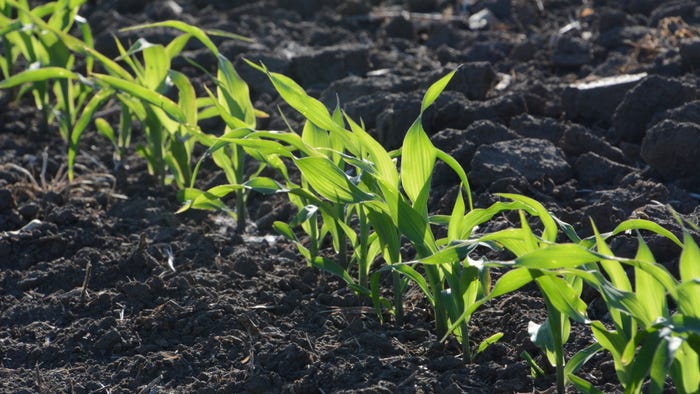
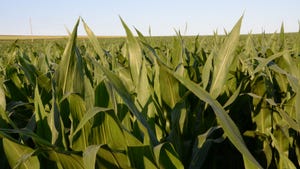
One hope is that crops, trees and vegetation will be able to photosynthesize more efficiently with more sun, converting carbon dioxide into oxygen and sequestering carbon in the soil. At some point in the future, the government might even pay farmers to farm in a way that maximizes carbon sequestration. Currently 30 laboratories across the country participate in the GRACEnet project — Greenhouse Gas Reduction through Agricultural Carbon Enhancement network. The project monitors greenhouse gas emissions (carbon dioxide, nitrous oxide and methane) from cropland and pasture, with the goal of reducing these emissions.

Many scientists believe that even a small increase in the amount of carbon stored per acre of farmland would have a large effect on offsetting U.S. greenhouse gas emissions. They say farms and ranches have the potential to store enough carbon to offset 8 to 10% of total U.S. emissions. Decreasing nitrous oxide and methane emissions would be an additional benefit that agriculture could provide.

To learn more, visit the following Web sites:

Global "brightening"
http://www.nature.com/news/2005/050502/full/050502-8.html

Carbon sequestration in crops
http://www.ars.usda.gov/research/publications/publications.htm?SEQ_NO_115=169412=1

Developing a carbon sequestration policy
http://sciencepolicy.colorado.edu/carboncycle/workshop/supply_demand_ccs_agriculture_RC.pdf

Most Recent Story

VIDEOS

PRODUCTS

TECHNOLOGY

FINtv

Farm Industry News TV

Watch video produced by the editors to show the latest equipment from the NFMS and UV Rodeo.

product tests

Product Tests

See the results of the latest farm product tests conducted by Team FIN farmers and magazine editors.

green agriculture

Green Agriculture

Recent articles on Biofuels, Water Quality, Credits, and what "green" practices will impact your business.

Featured FIN Video

BASF Stepping up to the Plate

Get the Flash Player to see this player.

View More FIN tv Videos


Product Info

Visit our online resource to find products and services offered by advertisers featured in Farm Industry News magazine.

More

Continuing Education

Click here for a complete list of Continuing Education Courses


CCA Accredited for 2.0 Units in Nutrient Management:


(New Course)
Utilizing Calcium as Nutrient That Protects Against Disease Organisms

This online accredited course focus on Calcium, an important plant nutrient in fertilizer management for maximum, healthy plant development as well as disease and pest prevention. It is accredited for Certified Crop Adviser credit as well as state hours/credit in California, Georgia, Pennsylvania, West Virginia and New Jersey. Credit pending in Florida, South Carolina, Tennessee, Virginia and Washington.

This course is accredited for CCA Credits:


(New Course)
Spray Drift Management

Keeping crop protection chemicals on the crop for which they are intended has been a cornerstone of farming not only to protect neighboring crops, but to not waste money allowing products to drift off the intended target. This accredited online continuing education course covers the critical elements of spray drift management.

Browse Back Issues

Browse Back Issues