Reinventing the engine
Aug 1, 2008 12:00 PM, By Jodie Wehrspann
The first three tiers for non-road vehicles were completed this year. Now manufacturers are working to meet Tier 4, and, to quote a pack of Carletons, “this is the one they'll have to beat.”
Most stringent yet
The Tier 3 regulations reduced by 60% the emissions of the unregulated engines produced just 12 years ago. Tier 4 requires a 90% reduction in the levels of PM and NOx set by those Tier 3 standards.
“I always think of the white hankie test for carbon,” says Roger Gault, technical director of the Engine Manufacturers Association (EMA). “When you place a hankie over the exhaust, it will remain white if the engine is compliant. Tier 4 engines will be that clean.”
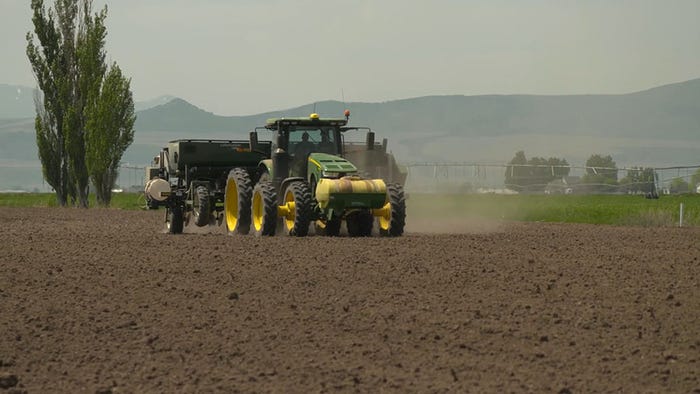
Large engines rated over 174 hp will have the toughest time meeting the requirements. Tractor engines this size will require not only advanced engine technologies but also after-treatment of the exhaust gas.
Because this poses new problems — like how to fit all the new components and plumbing under the narrow nose of a tractor — the EPA has staggered the deadlines for this size category. The interim deadline, which applies mostly to PM, comes up in 2011. The final deadline, which includes the tougher limits on NOx, is set for 2014. All farm vehicles with engine power ratings of 174 hp and above and manufactured beginning on those dates must comply. Smaller tractors (75 to 174 hp) must comply with the interim rules a year later, by 2012.
Interim solutions
Manufacturers are looking at two different methods to make tractor engines burn cleaner. One is to recirculate cooled exhaust gas through the engine to reduce NOx, and then pass the exhaust through a special filter to capture the particulates. This process is called cooled exhaust gas recirculation (EGR) with the use of a diesel oxidation catalyst (DOC) and particulate filter, which together make up the diesel particulate filter (DPF).
Some tractor makers, including John Deere, and engine manufacturers like Cummins have announced they will use this method to meet the interim regulations that go into effect in 2011. Deere says this method lets it use the same engine platform used for its Tier 3 tractors, which are considered very fuel efficient. But the company will use a higher percentage of cooled EGR than what it uses now to meet the new limits on NOx.
“The engines themselves will not change much,” says Doug Laudick, product manager at John Deere Power Systems. “The major difference will be the addition of a DOC/DPF unit to reduce particulates. These devices are similar to a muffler in shape and will likely replace the muffler. The visible differences will be a slightly larger exhaust component and new instrumentation that monitors after-treatment components.”
The second solution is called selective catalyst reduction (SCR), which uses a chemical after-treatment (in conjunction with another after-treatment) to control NOx. A liquid solution, typically urea, is injected in the exhaust gas to neutralize the noxious compounds.


(New Course)